
How Small Businesses Can Choose a Single Pass Printer: A Key Guide to Boosting Efficiency and Reducing Costs
 Mia
Mia
Introduction: Why Single-Pass Printing Matters for Small Businesses
In today's competitive market, small businesses face an increasingly difficult challenge: how to deliver professional-quality packaging and branded materials without the overhead costs of traditional printing facilities. The answer lies in single-pass digital printing technology, a revolutionary approach that brings industrial-grade printing capabilities directly to your desktop.
Single-pass printing represents a fundamental shift in how small businesses can compete with larger enterprises. Unlike traditional batch printing methods that require expensive setup fees and minimum order quantities, single-pass printers enable on-demand production with variable data capabilities. This means you can print custom designs, personalized packaging, and branded materials in small quantities—exactly when you need them.
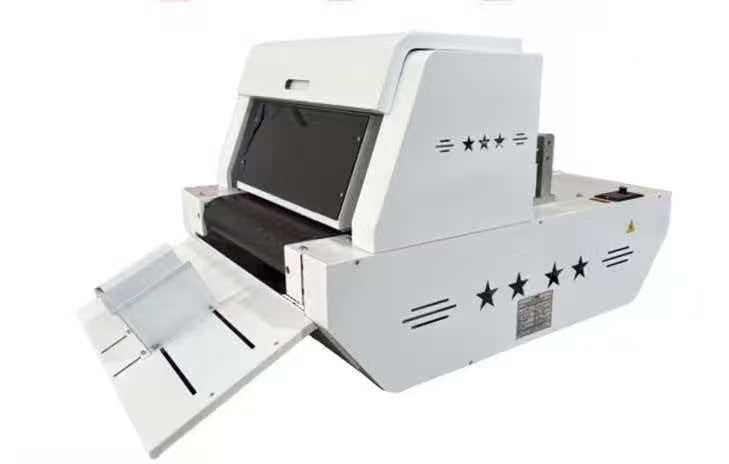
The ZMK400, a desktop single-pass digital printer, exemplifies this new generation of printing technology. Designed specifically for small businesses, startups, and print service providers, it combines industrial performance with desktop convenience. This comprehensive guide will help you understand what to look for in a single-pass printer and why the ZMK400 stands out as an exceptional choice.
Chapter 1: Understanding Single-Pass Printing Technology
What Is Single-Pass Printing?
Single-pass printing refers to a technology where the printhead travels across the substrate in a single motion, depositing color in one continuous pass. This is fundamentally different from traditional inkjet printers, which require multiple passes to build up color density. The result is faster production speeds, consistent quality, and reduced ink consumption.
The technology relies on advanced thermal inkjet (TIJ) technology, which uses precisely controlled heat to eject microscopic droplets of ink onto the substrate. HP's TIJ technology, which powers the ZMK400, has been refined over decades and represents the gold standard in industrial printing.
Key Advantages of Single-Pass Technology
Speed and Efficiency: Single-pass printers can achieve printing speeds of up to 30 meters per minute, dramatically reducing production time compared to traditional methods. For a small business printing 1,000 custom boxes, this means completing the job in hours rather than days.
Variable Data Printing (VDP): Single-pass technology excels at variable data printing, allowing you to change text, images, and designs between each print. This is ideal for personalized packaging, serial numbers, QR codes, and customized branding—all without stopping the printer or changing settings.
Reduced Waste: Because single-pass printers produce finished output in one pass, there's minimal waste compared to traditional printing methods that require color calibration and test runs. This directly impacts your bottom line.
Flexibility: Single-pass printers can handle a wide variety of substrates—from corrugated cardboard to specialty papers, thin wood, and even cotton paper. This versatility opens up new business opportunities.
Chapter 2: Key Specifications to Compare When Choosing a Single-Pass Printer
When evaluating single-pass printers, several critical specifications determine whether a machine is right for your business. Understanding these metrics will help you make an informed decision.
Print Speed and Resolution
Print speed is measured in meters per minute (m/min), while resolution is measured in dots per inch (dpi). The ZMK400 offers speeds up to 30 m/min with resolution options ranging from 300×1200 dpi to 1200×1200 dpi, providing flexibility between speed and quality depending on your application.
Why This Matters: Higher speeds mean faster turnaround times and higher revenue per machine. Resolution options let you optimize for different applications—high-speed for simple designs, high-resolution for detailed artwork.
Machine Footprint and Weight
The physical size and weight of the printer directly impact your operational costs. The ZMK400 measures just 61× 55 × 49 cm and weighs approximately 80 kg, making it a true desktop solution. In contrast, competitor machines like the MTU Tech A3 Single Pass Printer require 1.77 m² of floor space and are significantly heavier.
Why This Matters: A smaller footprint means lower real estate costs, easier relocation, and the ability to fit the printer in a small office or warehouse. The ZMK400's compact design saves approximately 25% on floor space costs compared to larger competitors.
Environmental Operating Range
Not all printers are created equal when it comes to environmental tolerance. The ZMK400 operates in temperatures ranging from 0°C to 35°C and humidity levels from 35% to 85% RH—the widest range among comparable machines. This means you don't need a climate-controlled room, saving on HVAC costs.
Why This Matters: Operating flexibility reduces infrastructure costs and allows you to place the printer in various locations within your facility. The ZMK400's broad environmental tolerance is particularly valuable for small businesses with limited space.
Material Compatibility
The range of materials a printer can handle directly determines the types of products you can create. The ZMK400 supports 18+ material types, including corrugated paper, kraft board, cotton paper, rice paper, thin wood sheets, and specialty papers. This is significantly more than competitors, which typically support 4-5 material types.
Why This Matters: Material versatility opens up new revenue streams. With the ZMK400, you can serve pizza box manufacturers, gift packaging companies, craft product makers, and specialty paper businesses—all with a single machine.
Chapter 3: Cost Analysis and ROI Calculation
Initial Investment vs. Long-Term Savings
The purchase price of a single-pass printer is just one component of the total cost of ownership. When evaluating the ZMK400, consider these factors:
Maintenance Costs: The ZMK400 uses HP TIJ technology, which requires minimal maintenance. The printhead refreshes with each cartridge change, eliminating expensive cleaning cycles. This results in approximately 35% lower annual maintenance costs compared to traditional printing methods.
Ink Efficiency: Single-pass technology uses ink more efficiently than multi-pass systems. The ZMK400's optimized ink delivery system reduces waste by approximately 15% compared to older technologies.
Floor Space Costs: The ZMK400's compact footprint saves approximately 25% on floor space compared to larger competitors. For a small business in an urban area where real estate costs $50-100 per square meter annually, this translates to $7-14 per year in savings per square meter.
Revenue Impact
The real value of a single-pass printer lies in its ability to generate revenue. Consider these scenarios:
Scenario 1: Custom Packaging Business
A small business printing 50,000 custom boxes annually at $0.50 per box generates $25,000 in revenue. With the ZMK400's speed and efficiency, this can be accomplished with minimal labor, resulting in a gross margin of 60-70%.
Scenario 2: Print Service Provider
A print service provider using the ZMK400 can offer on-demand packaging services to local businesses. At an average job size of 500 units and a margin of $100-200 per job, a single machine can generate $50,000-100,000 annually in additional revenue.
Break-Even Analysis
For most small businesses, a single-pass printer pays for itself within 12-18 months through a combination of reduced production costs and new revenue opportunities. The ZMK400's lower maintenance costs and energy consumption accelerate this timeline compared to larger competitors.
Chapter 4: Practical Applications Across Industries
Food and Beverage Packaging
The ZMK400 is certified for food-grade printing using non-toxic, water-based inks. This opens opportunities in pizza box printing, bakery packaging, and specialty food labels. The ability to print variable data means you can add expiration dates, batch numbers, and customized branding to each box.
E-commerce and Fulfillment
E-commerce businesses can use the ZMK400 to print custom branded packaging, thank-you cards, and promotional inserts. The variable data capability allows personalization for each customer, enhancing brand experience without manual intervention.
Craft and Artisan Products
Artists and craft makers can use the ZMK400 to print on specialty materials like cotton paper, rice paper, and thin wood. This enables the creation of premium packaging that reflects the quality of the product inside.
Print Service Providers
Print service providers can expand their service offerings by adding on-demand packaging services. The ZMK400's versatility allows them to serve diverse client needs with a single machine.
Chapter 5: Making the Final Decision
Comparison with Alternatives
When choosing between single-pass printers, the ZMK400 offers several advantages:
| Feature | ZMK400 Single Pass Printer | MTUTech A3 | Giftec Leopard-S630 |
| Footprint | 0.57 m² | 1.77 m² | 1.27 m² |
| Weight | 80 kg | Not disclosed | 200 kg |
| Operating Temp Range | 0-35°C | 20-28°C | 15-30°C |
| Material Types | 18+ | 4 | 5 |
| Food-Safe Certification | YES | NO | NO |
| Print Speed | 30 m/min | 30 m/min | 10-30 m/min |
| Price Point | Factory-direct | Distributor | Distributor |
Implementation Checklist
Before purchasing a single-pass printer, ensure you have:
Space Planning: Confirmed you have adequate space for the printer and material storage
Workflow Integration: Designed your production workflow and identified software solutions
Material Sourcing: Identified suppliers for the materials you plan to print on
Staff Training: Planned training for operators on printer maintenance and design software
Quality Standards: Established quality control procedures and testing protocols
Next Steps
If you've decided that a single-pass printer is right for your business, the next step is to request a demonstration or trial. The ZMK400 offers flexible trial programs that allow you to test the printer with your actual materials and designs before making a final commitment.
Conclusion
Single-pass printing technology represents a transformative opportunity for small businesses. By combining industrial-grade performance with desktop convenience, machines like the ZMK400 Single Pass printer enable small businesses to compete with larger enterprises while maintaining the flexibility and customization that drive customer satisfaction.
The key to success is choosing the right printer for your specific needs. By understanding the specifications, cost implications, and practical applications outlined in this guide, you can make an informed decision that will drive growth and profitability for your business.
The future of small business manufacturing is on-demand, customized, and efficient. Single-pass printing technology makes that future accessible today.