
Future Trends in Digital Printing Packaging: How Small Businesses Can Seize the Opportunity
 Mia
Mia
Introduction: The Digital Revolution in the Packaging Industry
The packaging industry is undergoing an unprecedented transformation. From traditional large-batch, long-cycle printing models to today's on-demand production and customization, digital printing technology is redefining what packaging means.
For small businesses, this is not just a challenge—it's an unprecedented opportunity.
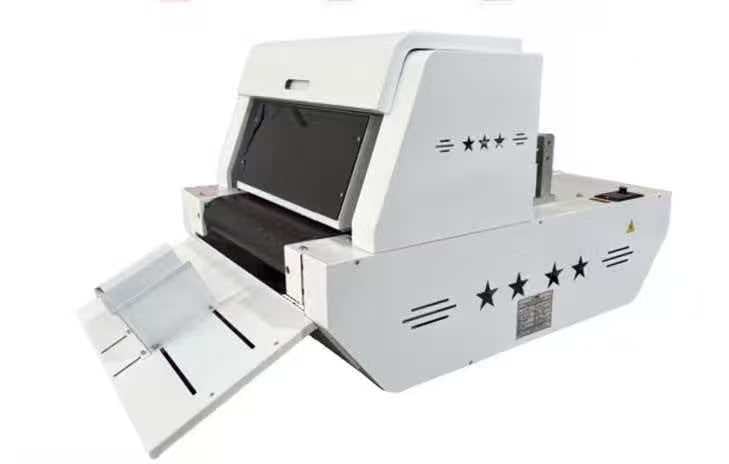
The ZMK400 desktop single-pass digital printer represents the cutting edge of this revolution. It brings industrial-grade printing capabilities directly to small business offices, enabling companies of any size to compete, innovate, and grow. This article explores the future trends in digital printing packaging and how small businesses can leverage these trends to achieve business growth.
Chapter 1: Global Packaging Industry Macro Trends
Trend One: Sustainability and Eco-Friendly Packaging
Global consumer demand for eco-friendly packaging is growing rapidly. According to recent market research, 73% of consumers are willing to pay a premium for sustainable packaging. This trend is driving transformation across the entire packaging industry.
Digital Printing Advantages:
- On-Demand Production Reduces Waste: Traditional printing requires large inventory, leading to expired products and waste. Digital printing enables on-demand production, completely eliminating inventory waste.
- Water-Based Inks and Eco-Friendly Materials: The ZMK400 uses water-based, non-toxic food-grade inks that fully comply with environmental requirements.
- Material Diversity: Supports 18+ material types, including recyclable paper, cotton paper, and thin wood, providing businesses with more eco-friendly options.
Business Opportunity: Small businesses can attract environmentally conscious consumers by emphasizing eco-friendly characteristics and command price premiums.
Trend Two: Personalization and Customization Demands
Consumers increasingly expect products and packaging to reflect their personality and needs. From personalized gift packaging to custom brand packaging, personalization has become key to competition.
Digital Printing Advantages:
- Variable Data Printing: Each unit can have different designs, text, or images without stopping the printer.
- Rapid Prototyping: Quickly test new designs without large initial investments.
- Small Batch Production: Support any quantity from 100 units to 100,000+ units.
Business Opportunity: E-commerce businesses, craft manufacturers, and personalized gift companies can increase product value and customer satisfaction by offering custom packaging.
Trend Three: Supply Chain Localization
Global supply chain disruptions and rising transportation costs are driving companies to reconsider production locations. Local production is becoming increasingly competitive.
Digital Printing Advantages:
- Fast Delivery: Local production means faster delivery times, typically 24-48 hours.
- Inventory Management: On-demand production allows businesses to reduce inventory and improve cash flow.
- Flexibility: Quickly respond to market changes and customer demands.
Business Opportunity: Small businesses can become local printing service providers, offering fast and reliable packaging solutions to local enterprises.
Trend Four: Food Safety and Traceability
Food safety regulations are becoming increasingly stringent, and consumer attention to product origin and safety is growing. Traceability has become essential in the food and beverage industry.
Digital Printing Advantages:
- Food-Grade Certification: ZMK400 uses food-grade inks that fully comply with FDA and international food safety standards.
- Batch Coding and Tracking: Automatically print batch numbers, production dates, and expiration dates.
- QR Codes and Tracking: Variable data printing allows adding unique QR codes to each product, linking to tracking information.
Business Opportunity: Food and beverage businesses can build consumer trust by emphasizing safety and traceability, and meet increasingly stringent regulatory requirements.
Chapter 2: Evolution of Digital Printing Technology
The Balance Between Resolution and Speed
Modern digital printers are achieving the perfect balance between resolution and speed. The ZMK400 offers multiple resolution options (300×1200, 600×1200, 1200×1200 dpi), allowing users to choose the optimal combination for their application.
Future Trends:
- Higher Resolution: 2400 dpi and above is expected within the next few years.
- Faster Speeds: Printing speeds are expected to increase from current 30 m/min to 50+ m/min.
- Lower Costs: As technology matures, equipment and operational costs will continue to decline.
Expansion of Material Compatibility
The ZMK400 supports 18+ material types, but future development will focus on supporting even more diverse materials.
Future Trends:
- Special Material Support: Including metallic foil, transparent film, and self-adhesive labels.
- 3D Printing Integration: Combining 3D printing technology to create three-dimensional effects.
- Functional Materials: Support for conductive inks, thermochromic inks, and other functional materials.
Automation and Intelligent Systems
Artificial intelligence and automation are transforming the printing industry.
Future Trends:
- AI-Driven Design Optimization: Automatically optimize designs for best printing results.
- Predictive Maintenance: Use sensors and AI to predict maintenance needs and reduce downtime.
- Smart Inventory Management: Automatically track material inventory and optimize ordering.
Chapter 3: Opportunities for Small Businesses
Opportunity One: Become a Local Printing Service Provider
As businesses seek local, fast printing solutions, small businesses can become key printing service providers in their communities by investing in the ZMK400.
Specific Opportunities:
- Fast Delivery Services: Offer 24-48 hour delivery, surpassing traditional print shops.
- Custom Packaging Services: Provide custom packaging solutions to local businesses.
- mall Batch Production: Serve businesses that cannot afford large minimum order quantities.
Expected Returns:
A small printing service provider processing 100,000 units per month can generate:
- Monthly Revenue: $50,000
- Monthly Profit: $13,900 (28% profit margin)
- Annual Profit: $166,800
Opportunity Two: Food and Beverage Packaging Specialization
The food and beverage industry has growing demand for custom, fast-delivery packaging.
Specific Opportunities:
- Custom Pizza Boxes: Provide custom pizza boxes to local pizzerias, generating $10,000-25,000 in monthly revenue.
- Bakery Packaging: Provide custom packaging for bakeries and pastry shops.
- Beverage Labels: Provide custom labels for craft breweries and juice manufacturers.
Competitive Advantages:
- Food-grade certification ensures safety
- Fast delivery meets seasonal demands
- Customization capability supports new product launches
Opportunity Three: E-Commerce and Subscription Box Services
E-commerce businesses increasingly value brand experience, including unboxing experience.
Specific Opportunities:
- Brand Packaging: Provide custom brand packaging to e-commerce businesses.
- Personalized Packaging: Provide personalized packaging for subscription box services.
- Thank You Cards and Promotional Materials: Add custom thank you cards and promotional materials to packaging.
Expected Impact:
E-commerce businesses using personalized packaging report:
- Repeat purchase rate increase of 15-25%
- Social media engagement increase of 30-50%
- Brand loyalty improvement of 20-30%
Opportunity Four: Craft and Art Packaging
Artists and craft manufacturers need high-quality, unique packaging that reflects their product quality.
Specific Opportunities:
- Cotton Paper and Special Material Printing: Leverage ZMK400's ability to print on cotton paper, rice paper, and other special materials.
- High-Resolution Art Printing: Provide high-quality packaging for artworks and limited-edition products.
- Custom Design: Create unique packaging designs for each artist.
Price Premium:
Craft products using high-quality, custom packaging can achieve 30-40% price premiums.
Chapter 4: Addressing Challenges and Risks
Challenge One: Technology Learning Curve
Investing in new technology requires learning and adaptation.
Solutions:
- Professional Training: Invest in employee training to fully utilize ZMK400's capabilities.
- Vendor Support: Leverage 24/7 technical support provided by SKDIN.
- Online Resources: Utilize online tutorials and community forums to learn best practices.
Challenge Two: Market Competition
As more businesses adopt digital printing technology, competition will intensify.
Solutions:
- Differentiation: Focus on specific industries or applications (such as food packaging or crafts).
- Quality Excellence: Build a reputation for quality and reliability.
- Customer Service: Provide excellent customer service and fast delivery.
Challenge Three: Raw Material Cost Fluctuations
Paper and other material costs can fluctuate.
Solutions:
- Supplier Diversification: Build relationships with multiple suppliers to ensure price competitiveness.
- Long-Term Contracts: Negotiate long-term contracts with key suppliers to lock in prices.
- Inventory Management: Balance inventory to minimize costs without increasing risk.
Chapter 5: Strategic Planning for the Next 5 Years
Year 1: Establishing the Foundation
Goal: Establish operational foundation and gain market recognition
- Invest in ZMK400 and related equipment
- Train employees
- Build initial customer base
- Expected Annual Revenue: $250,000-300,000
Years 2-3: Expansion and Optimization
Goal: Expand market share and optimize operations
- Add a second ZMK400 or upgrade to higher-end equipment
- Expand service range
- Build industry reputation
- Expected Annual Revenue: $500,000-750,000
Years 4-5: Innovation and Growth
Goal: Innovate new services and achieve significant growth
- Invest in new technologies (such as 3D printing or functional materials)
- Expand to new markets or industries
- Establish brand and market leadership
- Expected Annual Revenue: $1,000,000+
Conclusion: Seizing the Future of Digital Printing
The future of digital printing packaging is full of opportunities. For small businesses, this is not just technological advancement—it's a game-changing opportunity.
By investing in advanced equipment like the ZMK400, small businesses can:
- Compete with Large Enterprises: Deliver the same quality products with faster delivery times and better customization capabilities.
- Launch New Businesses: Enter markets previously inaccessible due to high equipment costs.
- Improve Profit Margins: Enhance finances through on-demand production and waste reduction.
- Meet Consumer Demands: Deliver the personalized, eco-friendly products consumers increasingly expect.
The future belongs to those who can quickly adapt, innovate, and meet customer needs. Digital printing technology provides small businesses with the tools to achieve this goal.
The question is not whether to adopt this technology, but when.