S-6810K547 1.5" ID x 1 29/32" OD ASTM D1784, NSF/ANSI 61 CPVC Pipe for Hot Water
CPVC Pipe for Hot Water
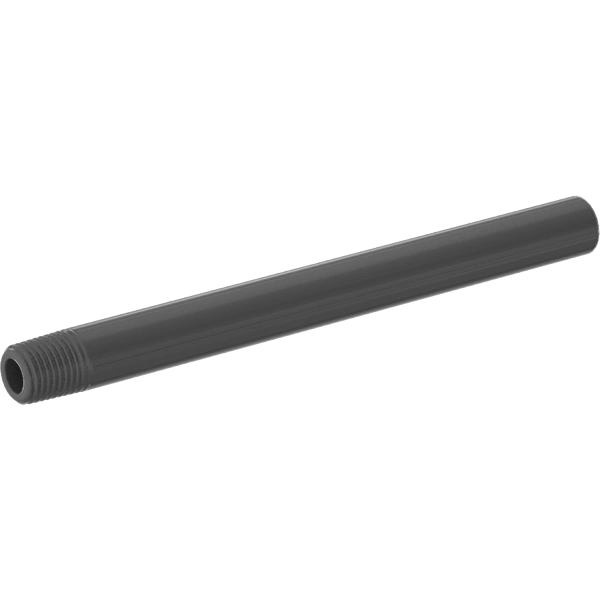

Image may differ from product. See technical specification for details.
Basic Information
Connection Parameters
Dimension Parameters
Pressure & Temperature Parameters
Material & Accessories Parameters
Installation Parameters
Adhesive Parameters
- Fast delivery
- Enjoy discounts on bulk purchases
- Secure Payment
- Fast Global Shipping
Key Features & Benefits at a Glance
- Superior chemical resistance for reliable performance with over 10 aggressive chemicals including sulfuric acid, hydrochloric acid, and sodium hydroxide
- High-pressure handling capability withstands up to 235 psi at 72°F for demanding industrial applications
- Elevated temperature tolerance maintains structural integrity at temperatures up to 200°F in hot water and chemical environments
- Full vacuum compatibility handles 29 inches of mercury vacuum at 72°F for comprehensive system applications
- Certified safety compliance meets NSF/ANSI 61 for drinking water and RoHS 3 environmental standards
- Precision NPT threading ensures leak-proof connections with reliable threaded male to socket cement connections
- Industry-standard compatibility matches Corzan specifications with ASTM D1784 material certification
Professional Applications & Engineering Value
This 1 1/2" Schedule 80 CPVC pipe adapter delivers exceptional value in food industry applications where chemical resistance and temperature stability are critical. The rigid CPVC construction prevents degradation when handling aggressive chemicals like hydrochloric acid (25%) and sulfuric acid (75%), while maintaining safety for drinking water systems. The threaded male × socket connect design with NPT threading ensures secure, leak-proof joints in industrial piping networks, reducing maintenance downtime and preventing chemical leaks in processing environments. Engineered for chemical resistant CPVC pipe systems operating at 235 psi pressure and 200°F temperatures, this adapter solves critical challenges in chemical transfer, water treatment, and food processing applications where material compatibility and connection reliability are paramount.
Specification Summary & Compliance
This CPVC pipe adapter features precision NPT thread type with Class 2A tolerance for reliable connections. Manufactured to ASTM D1784 material specifications and certified to NSF/ANSI 61 for drinking water applications. Compliant with RoHS 3 (2015/863/EU) environmental standards. Designed for Schedule 80 piping systems with 150-class flange compatibility, ensuring integration with industrial CPVC piping networks. The 6-inch length with 1.5-inch ID and 0.2-inch wall thickness provides optimal flow characteristics while maintaining structural integrity under pressure and chemical exposure.